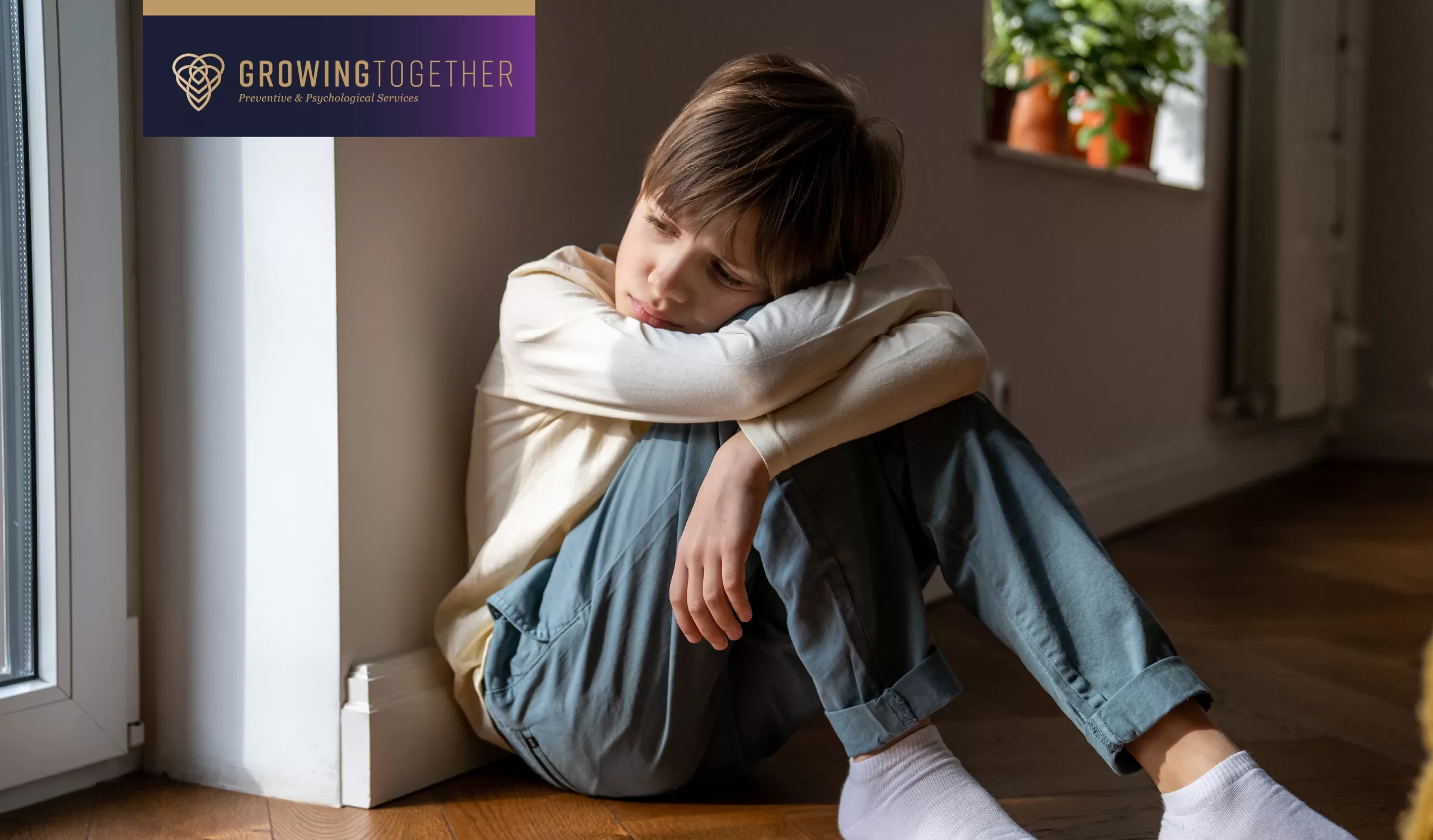
Trauma in childhood can be derived from a variety of sources, from physical or sexual abuse to neglect or school violence. Whatever the case, there is little doubt that those traumas have a long and devastating effect on children and teens – even if they seem OK to others around them. Therapy can help kids cope with what they have gone through, but it’s often a whole-family effort.
More than two thirds of children have reported experiencing at least one traumatic event by the age of 16. About 1 in 7 children have experienced child abuse or neglect in the past year, and 1 in 5 high school students reported having been bullied on school property in the last year.
Potentially traumatic events can include:
- Psychological, sexual, or physical abuse
- Community or school violence
- Experiencing or witnessing domestic violence
- National disasters or terrorism
- Sudden or violent loss of a loved one
- Commercial sexual exploitation
- Refugee or war experiences
- Military stressors, such as parental loss, injury, or deployment
- Physical or sexual assault
- Neglect
- Life-threatening illness
- Serious accidents
It’s vital that we recognize the signs of traumatic stress on children and adolescents, and address its short- and long-term impact. Each child may show different signs of traumatic stress, and young children often react differently than older children.
Common Effects of Childhood Trauma
When children do not have families and homes that provide consistent comfort, safety, and protection, they develop various ways to cope with those situations – survival skills, if you will. They may become overly sensitive to others’ moods, constantly trying to evaluate how the adults around them are behaving and how they are feeling. They then adjust their behaviors to suit each circumstance, holding back their own emotions or needs to suit others. That’s why outsiders looking in may not think anything is wrong.
Those children have found ways to shield their fear, sadness, anger, and frustration from the outside world. They basically learn adaptations that allow them to survive whenever physical or emotional threats are perceived. As they grow up, those adaptations that worked in traumatic situations before don’t work so well when they actually encounter relationships or situations that are safe. Those adaptations thus interfere with their capacity to love and be loved.
There are many ways complex trauma can affect children. Here are some of the most common.
1. Attachment and Relationships
A child’s close relationship with a caregiver is very important to their development. Over time, children learn to trust these attachment figures, regulate their emotions, and interact in a healthy way with the world. When the foundation of those relationships becomes unstable or unpredictable, children learn very quickly that they can’t, in fact, rely on those caregivers for help. They internalize those feelings of worthlessness, which is bad enough, but they also harbor deep feelings that the world is a bad place, according to the National Child Traumatic Stress Network.
2. Physical Health
Normal biological function of a child is determined in part by environment. When a child goes through early life constantly being afraid, this can impact their immune system and even their body’s stress response systems. Because these systems do not develop normally, they may automatically respond as if they are still under extreme stress even much later on in life when they encounter ordinary levels of stress.
Physical responses to that stress can include rapid breathing or heart pounding, or the person may completely shut down when presented with a stressful situation. Thus, others around them may perceive overreaction or detachment, but in fact, they are simply a result of adaptations the child formed when small to survive.
3. Emotional Responses
Traumatized children may have a hard time identifying, managing, and expressing emotions, as they internalize or externalize stress reactions. Anger, depression, and anxiety can result, often accompanied by unpredictable or explosive responses. Even mildly stressful situations can trigger intense emotional responses whereby they perceive situations as dangerous or stressful. This defensive posture is innately designed in humans to protect us when under direct attack, but it can become a problem in situations that in fact do not call for such intense reactions.
Children who never learned self-soothing or calming techniques easily get overwhelmed, such as in the school setting where they give up on small tasks when presented with even the most basic challenge.
4. Behavior
Children with a trauma history are easily triggered, and as a result react very intensely to certain situations. They don’t know self-regulation techniques, they lack impulse control, and they may appear unpredictable and oppositional. This is common in children who grew up feeling powerless due to an abusive authority figure, for example, and tend to react defensively in the face of perceived blame. Kids with complex trauma are likely to engage in high-risk behaviors, such as unsafe sex and self-harm.
5. Cognition
Traumatized children often have trouble reasoning, thinking clearly, or problem solving, leaving them unable to anticipate the future and act in an appropriate way. Growing up under feelings of constant threat has taught children to devote all of their internal resources towards survival. They often have difficulty keeping up their attention and are easily distracted by trauma reminders. Language development as well as abstract reasoning skills can also be impacted.
Contact Us For a Free Child Therapy Consultation
If you are growing concerned about your child’s or teen’s mental and emotional wellbeing, take that first step and contact us for a free consultation for a child therapy session with the licensed therapists at Growing Together Preventive & Psychological Services. We specialize in child therapy, as well as whole family sessions, individual sessions, couples sessions, and dyadic sessions.