Key Takeaways
- Group therapy brings together individuals with shared goals in a supportive, guided setting.
- Sessions are led by a licensed therapist who facilitates discussion, activities, and skill-building.
- Participants can gain insight, encouragement, and new perspectives through shared experiences.
- Confidentiality and respect are key in creating a safe and welcoming environment.
- Group therapy often complements individual therapy, strengthening emotional resilience and connection.
Insight can often be found in shared experiences. That’s why group therapy can be such a powerful and supportive space for personal growth, connection, and learning. It can be a stand-alone form of therapy or it can be used in conjunction with individual therapy.
It can be daunting for many people to open up to a group of people who are initially strangers. But today we will talk about how this shared environment creates a sense of connection and encouragement that can be deeply meaningful.
While each group experience is unique, the main goal is to help participants build insight, develop new skills, and feel supported by others. Not sure if group therapy in Danville, California, is right for you? Here’s why it can be a powerful therapeutic technique.
Understanding the Purpose of Group Therapy
Group therapy, a structured form of counseling where several participants meet regularly with a trained therapist, usually focuses on a shared theme. These themes can range from relationships and stress management to life transitions and personal development.
Rather than focusing on one person at a time, the group setting encourages open discussion and collaborative learning.
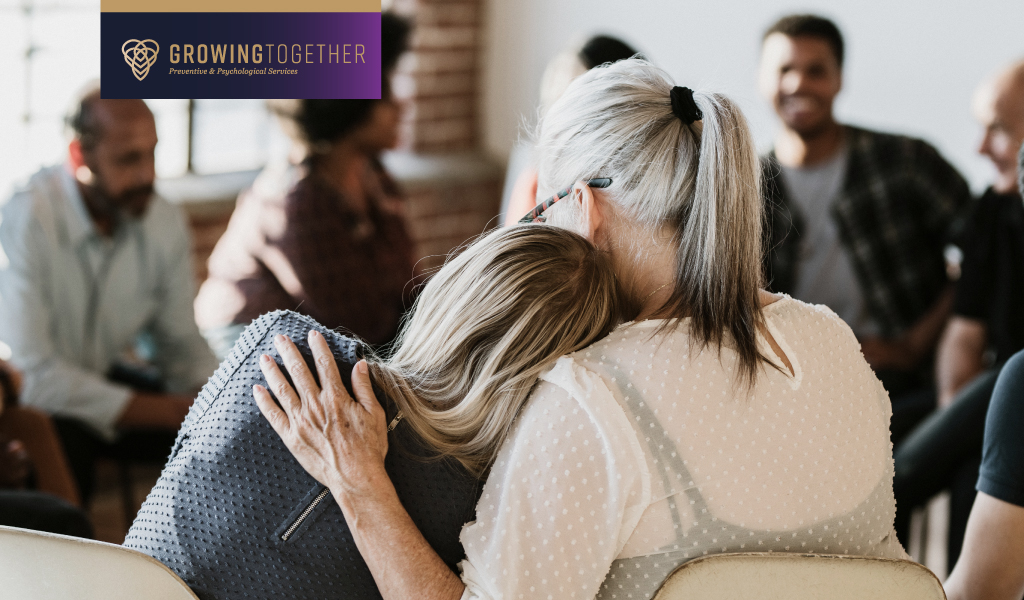
In a group setting, people often discover they are not alone in their experiences, which can foster connection and empowerment.
The foundation of group therapy is support, offering a safe space that encourages the exchange of ideas while practicing new skills and building meaningful connections.
The American Psychological Association points out that group therapy can help individuals develop interpersonal skills, increase self-awareness, and learn from the experiences of others.
How Group Therapy Sessions Work
Most group therapy sessions follow a similar format, although the specifics differ from setting to setting. In general, a licensed therapist guides the conversation and ensures the environment remains respectful and supportive.
With groups usually meeting once a week for 60 to 90 minutes, a typical group therapy session may include:
- Introductions or check-ins: This gives participants a chance to share their feelings or experiences.
- Guided discussions: These usually revolve around a particular topic or theme.
- Skill-building exercises: The goal of these exercises is to encourage reflection and growth.
- Opportunities for feedback and shared perspectives: No one is ever forced to share until they are comfortable. In fact, many people begin by listening and gradually become more active in discussions as trust is built.
Group Therapy: Why Is It Unique?
The appeal of group therapy is that it provides the opportunity to hear diverse perspectives from others who have gone through similar experiences—something that can be very reassuring and validating. Within this shared environment, meaningful moments of insight can occur that also allow participants to practice communication and relationship skills in real time.
There are many benefits of group therapy, including the ability to:
- Learn from others’ experiences and viewpoints
- Practice active listening and empathy
- Develop stronger interpersonal skills
- Build a sense of community and connection
- Receive encouragement and constructive feedback
Growth often happens in connection with others, and group therapy creates a space where those connections can flourish.
Building Trust and Confidentiality
Confidentiality is a core principle in group therapy. Everyone is encouraged to respect each other’s privacy and keep discussions contained within the group. These guidelines will be reviewed during the first session of the program, making it clear that participants should:
- Respect different perspectives
- Not interrupt while others are speaking
- Maintain confidentiality outside the group
- Offer supportive and thoughtful feedback
Over time, trust is built among the group that can lead to strong encouragement and mutual support.
Who Can Benefit From Group Therapy?
Anyone can benefit from group therapy during many stages of life, from teens to older adults. Everyone has different goals. Some individuals join to build new skills, while others want a space to reflect or navigate difficult transitions.
Common goals include to:
- Improve communication and relationship skills
- Manage stress more effectively
- Navigate life transitions
- Build confidence and self-awareness
- Strengthen emotional resilience
Because group therapy brings together people with shared goals, participants often feel supported by the collective energy and encouragement of the group.
How to Prepare for Your First Group Session
Many people feel a sense of uncertainty when first joining a group. Heed these tips to make the transition smoother and more comfortable.
- Keep an open mind: Everyone’s journey is unique, and listening to others can provide valuable insight.
- Take your time sharing: You don’t have to rush into sharing. Take your time to observe and listen before speaking.
- Be respectful and curious: Group therapy requires empathy, active listening, and thoughtful dialogue.
- Focus on growth: Group sessions offer the perfect opportunity to learn new skills and perspectives over time.
Most people find that the group setting feels natural and supportive after just a few sessions.
FAQs About Group Therapy
Q: What is the goal of group therapy?
A: The goal of group therapy is to create a supportive environment where participants can learn from one another, build personal insight, and develop new skills with guidance from a licensed therapist.
Q: How many people are usually in a group therapy session?
A: Most therapy groups include between five and ten participants. This size allows everyone to participate while maintaining a sense of community and connection.
Q: Do I have to share personal experiences in group therapy?
A: Participants are encouraged to share, but this is not required. Many people begin by listening and gradually participate more as they become comfortable with the group.
Q: Is group therapy confidential?
A: Yes. Confidentiality is a core principle of group therapy. Participants agree to respect each other’s privacy and keep discussions within the group.
Q: How is group therapy different from individual therapy?
A: Individual therapy focuses on one-on-one conversations with a therapist, while group therapy allows participants to learn from both the therapist and the experiences of others in the group.
Group Therapy: A Welcoming Space
Individuals can connect, learn, and grow together in a supportive group therapy setting, where they feel comfortable sharing perspectives and practicing new skills. A wonderful thing often happens along the way: individuals discover new ways to build resilience, strengthen relationships, and deepen their understanding of themselves and others.